Menu


Facing criminal charges can feel overwhelming, especially when you believe you might handle the case alone to save money. The reality is that most defendants who represent themselves face significantly higher conviction rates and harsher penalties. Approximately 90% of criminal cases resolve through negotiated plea bargains, requiring specialized legal knowledge to navigate effectively. In New Hampshire and Massachusetts, where court procedures and sentencing guidelines vary considerably, hiring an experienced criminal defense attorney protects your rights and substantially improves your chances of a favorable outcome.
| Point | Details |
|---|---|
| Expert evidence evaluation | Attorneys challenge illegally obtained evidence and file motions to exclude it, potentially leading to reduced charges or dismissal. |
| Negotiation advantages | About 90% of cases resolve through plea bargains where skilled attorneys secure reduced sentences and lesser charges. |
| Procedural expertise | Defense lawyers understand strict filing deadlines and court rules in NH and MA, preventing costly errors. |
| Self-representation risks | Defendants without counsel face higher conviction rates and misunderstand legal processes that weaken their defense. |
| Local court knowledge | Familiarity with NH and MA judges and prosecutors enables tailored defense strategies for better outcomes. |
When prosecutors build a case against you, they compile evidence ranging from police reports to forensic test results and witness statements. A criminal defense attorney meticulously examines every piece of this evidence to identify weaknesses, inconsistencies, or constitutional violations. This critical analysis forms the foundation of your defense strategy.
Defense attorneys scrutinize evidence and file motions to exclude improperly obtained materials, protecting your constitutional rights. If police conducted an illegal search or obtained a confession through coercion, your attorney files pretrial motions to suppress that evidence. Without this evidence, prosecutors often cannot prove their case, leading to reduced charges or complete dismissal.
Challenging evidence requires deep knowledge of constitutional law and evidentiary rules. Defense lawyers spot prosecutorial errors that non-lawyers typically miss. For example, if forensic testing procedures were compromised or chain of custody documentation is incomplete, those test results may be inadmissible in court. Similarly, if witness statements contradict physical evidence or reveal bias, your attorney can effectively challenge their credibility.
Key aspects of evidence evaluation include:
Pro Tip: Request that your attorney conduct an independent investigation early in your case. Private investigators and expert witnesses can uncover evidence that contradicts the prosecution’s narrative, strengthening your defense before trial.
Proper evidence evaluation transforms how prosecutors view your case. When they realize their evidence has significant weaknesses, they become more willing to negotiate favorable plea agreements or drop charges entirely. This strategic advantage only comes from having an expert criminal defense lawyer who knows exactly what to look for and how to challenge it.
Most people imagine criminal cases ending with dramatic courtroom verdicts, but the reality is quite different. Approximately 90% of criminal cases end in negotiated plea bargains where defense attorneys leverage case weaknesses to secure reduced charges or lighter sentences. Understanding how skilled negotiation works can help you appreciate why professional representation matters so much.
Plea bargains offer strategic advantages beyond avoiding trial risk. They provide certainty about outcomes, reduce court costs, and often result in significantly lighter penalties than conviction at trial. Your attorney approaches negotiations armed with detailed knowledge of your case strengths, prosecution weaknesses, and local court tendencies. This combination creates leverage that defendants representing themselves simply cannot match.
Effective negotiation requires understanding what prosecutors value. Some prioritize conviction rates and prefer quick resolutions. Others focus on specific case types or have relationships with particular judges. Defense attorneys familiar with New Hampshire and Massachusetts courts know these dynamics and tailor their approach accordingly. They might emphasize mitigating factors in your background, highlight evidentiary problems that make conviction uncertain, or propose alternative sentencing that addresses underlying issues while avoiding incarceration.
Common plea negotiation outcomes include:
| Negotiation Factor | Impact on Outcome |
|---|---|
| Case evidence strength | Weak prosecution evidence creates leverage for significant charge reduction |
| Defendant’s criminal history | Clean record improves chances of diversion programs or probation |
| Prosecutor caseload | Heavy caseloads increase willingness to negotiate favorable deals |
| Local court practices | Some courts favor rehabilitation programs over incarceration for certain offenses |
Pro Tip: Never accept the first plea offer without consulting your attorney. Initial offers are typically the least favorable, and prosecutors expect negotiation. Experienced felonies and misdemeanors lawyers know when to counter and what concessions are realistic.
The negotiation process moves faster and creates less stress than full trials. You maintain more control over your fate by accepting negotiated terms rather than risking unpredictable jury verdicts. Your attorney explains all options clearly, helping you make informed decisions that balance risk against potential outcomes. This guidance proves invaluable when you face life-changing consequences.
Criminal procedure involves complex rules governing how courts process cases from arraignment through sentencing. Missing a filing deadline or incorrectly formatting a motion can permanently damage your defense. Defense attorneys ensure proper legal procedures, including timely motions and discovery requests, preserving critical defenses and constitutional rights.
New Hampshire and Massachusetts each maintain unique procedural requirements that differ from federal courts and other states. Defense attorneys practicing in these jurisdictions understand local rules intimately. They know which judges prefer particular motion formats, how long discovery typically takes, and what arguments resonate in specific courtrooms. This local knowledge creates strategic advantages impossible to replicate through online research or general legal knowledge.

Procedural mistakes compound quickly. If your attorney misses the deadline to file a motion to suppress evidence, that evidence becomes admissible regardless of how it was obtained. If discovery requests are improperly formatted, prosecutors can refuse to provide critical information about their case. If you fail to properly preserve issues for appeal, you lose the right to challenge errors that occurred during trial. These technicalities determine case outcomes as much as factual guilt or innocence.
Critical procedural elements include:
Pro Tip: Ask your attorney about their specific experience in the court where your case will be heard. Familiarity with the particular judge assigned to your case and that judge’s tendencies can significantly influence defense strategy.
Defense attorneys also manage case timelines strategically. Sometimes speedy resolution benefits defendants, while other situations call for delays that allow memories to fade or evidence to become unavailable. Your attorney coordinates these tactical decisions with overall defense strategy, ensuring every procedural choice supports your best interests. When facing drug charge cases or other serious offenses, this expertise becomes even more critical.
Clients who represent themselves routinely miss these procedural nuances. They submit motions that courts reject for technical deficiencies. They fail to object to improper evidence, waiving their right to challenge it later. They misunderstand scheduling orders and miss critical deadlines. Each mistake narrows the path to favorable outcomes, often making conviction inevitable regardless of underlying case merits.
Many defendants make decisions about legal representation based on incomplete information or outright myths. Understanding the truth behind these misconceptions can prevent costly mistakes that jeopardize your freedom and future.
Myth 1: Handling your case alone saves money and produces similar outcomes. The reality is that self-represented defendants face higher conviction rates and typically receive harsher sentences than those with counsel. The short-term savings on attorney fees pale compared to long-term costs of conviction, including incarceration, fines, lost employment, and permanent criminal records. Public defenders are available if you cannot afford private counsel, ensuring you receive professional representation regardless of financial circumstances.
Myth 2: Plea deals always mean admitting guilt and accepting bad outcomes. This misconception ignores the strategic benefits of negotiated resolutions. Plea agreements often reduce charges to lesser offenses, minimize jail time, or provide opportunities for record expungement. In many cases, accepting a favorable plea deal represents the smartest tactical decision, preserving your future while acknowledging practical realities of your situation. Attorneys help you evaluate whether proposed deals serve your interests.
Myth 3: Any attorney will suffice for criminal defense. General practice lawyers lack the specialized knowledge that dedicated criminal defense attorneys possess. Criminal law involves constantly evolving case law, sentencing guidelines, and procedural rules. Attorneys who regularly handle criminal cases in New Hampshire and Massachusetts courts understand these nuances and have established relationships with prosecutors and judges. This specialization directly impacts case outcomes.
| Aspect | Self-Representation | Professional Attorney |
|---|---|---|
| Knowledge of evidence rules | Limited or none | Comprehensive understanding of admissibility standards |
| Negotiation leverage | Minimal | Strong relationships with prosecutors and proven track record |
| Procedural compliance | Frequent costly errors | Expert navigation of court requirements and deadlines |
| Case outcome statistics | Higher conviction rates | Significantly better dismissal and reduction rates |
| Emotional objectivity | Personally invested | Professional distance enables clearer strategic thinking |
Key reasons professional representation matters:
The data consistently shows that professional legal representation produces measurably better outcomes across all case types and severity levels. The question is not whether you can afford an attorney, but whether you can afford the consequences of proceeding without one.
Selecting the right attorney requires evaluating several factors that directly impact your case outcome. Not all criminal defense lawyers offer the same level of expertise, communication, or local knowledge. Following a structured approach helps you identify an attorney suited to your specific situation.
Evaluate experience with similar charges in NH and MA courts. Ask potential attorneys about their track record handling cases like yours. Request specific examples of outcomes they achieved for clients facing similar charges. Attorneys who regularly practice in New Hampshire and Massachusetts understand state-specific sentencing guidelines, local prosecutor tendencies, and judicial preferences that influence case strategy.
Assess communication style and client service approach. Your attorney should explain legal concepts clearly without excessive jargon. They should return calls promptly and keep you informed about case developments. During initial consultations, notice whether they listen carefully to your concerns or rush through standard presentations. Strong attorney-client communication reduces stress and ensures you make informed decisions throughout your case.
Confirm familiarity with local courts and legal players. Attorneys who regularly appear in the specific courthouse where your case will be heard understand that venue’s culture and practices. They know which arguments resonate with particular judges and how local prosecutors typically approach different charge types. This insider knowledge creates strategic advantages that out-of-area attorneys cannot replicate.
Review courtroom skills and trial experience. While most cases settle through plea bargains, your attorney must be prepared and willing to take your case to trial if necessary. Ask about their trial experience, success rates, and comfort level with courtroom advocacy. Prosecutors negotiate more favorably when they know your attorney is a credible trial threat.
Prioritize client-focused service and transparency. The best attorneys treat you as a partner in your defense rather than just another case file. They should provide clear fee structures, realistic outcome expectations, and honest assessments of case strengths and weaknesses. Avoid attorneys who make unrealistic promises or pressure you into quick decisions.
Pro Tip: Schedule consultations with multiple attorneys before deciding. Most offer free initial meetings where you can compare their approaches, experience levels, and how comfortable you feel working with them. Trust your instincts about who will best represent your interests.
Consider whether the attorney handles cases similar to yours regularly. A lawyer who focuses on DWI cases may not be ideal for complex drug trafficking charges. Similarly, an attorney with extensive local legal expertise in New Hampshire courts brings valuable knowledge if your case will be heard there. Specialization and geographic focus matter significantly in criminal defense.
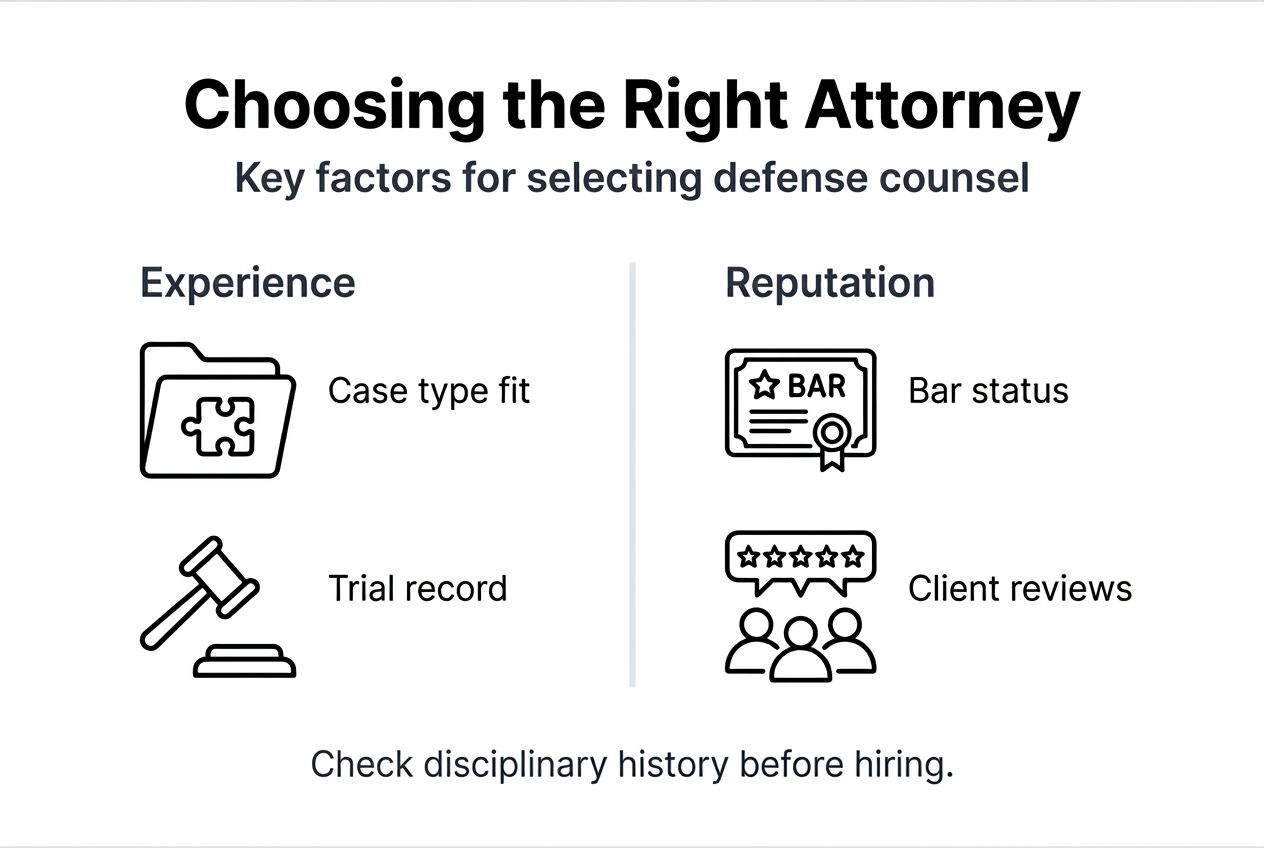
Finally, verify the attorney’s standing with state bar associations and check for any disciplinary history. You can research this information through New Hampshire and Massachusetts bar websites. While past discipline does not automatically disqualify an attorney, it warrants careful consideration and direct discussion during your consultation.
Facing criminal charges creates uncertainty about your future, but you do not have to navigate this challenging time alone. The decisions you make now about legal representation will influence outcomes that affect your freedom, employment prospects, and family relationships for years to come.

Lydon Law provides dedicated criminal defense representation throughout New Hampshire and Massachusetts, with offices in Nashua and Portsmouth. Attorney Kalie Lydon brings extensive courtroom experience, including appearances before the New Hampshire Supreme Court, to every case. The firm’s client-focused approach means you work directly with your attorney throughout the entire legal process, not support staff. Whether you face DWI charges, drug offenses, or other criminal allegations, Lydon Law combines aggressive trial advocacy with strategic negotiation to pursue the best possible outcome for your situation. Contact the firm today to discuss how their experience with criminal defense matters can protect your rights and future.
If you qualify financially, the court will appoint a public defender to represent you at no cost. Public defenders are licensed attorneys who handle criminal cases full time, though they typically manage heavy caseloads that may limit individual attention to your case.
Fees vary widely based on case complexity, attorney experience, and whether your case goes to trial. Simple misdemeanor representation might cost $2,000 to $5,000, while serious felony cases requiring trial can exceed $15,000. Many attorneys offer payment plans or flat fee arrangements.
Yes, you have the right to change attorneys at any point, though timing matters. Switching close to trial dates may result in delays. You remain responsible for paying your original attorney for work already completed according to your fee agreement.
No. Exercising your constitutional right to legal representation is a smart decision that prosecutors and judges expect. In fact, self-representation often signals to courts that defendants do not fully understand the seriousness of charges they face.
Immediately. Early representation allows your attorney to preserve evidence, interview witnesses while memories are fresh, and potentially intervene before formal charges are filed. Delays can permanently compromise defense opportunities and strategic options.

© 2026 Lydon Law|Legal Disclaimer|Privacy Policy